

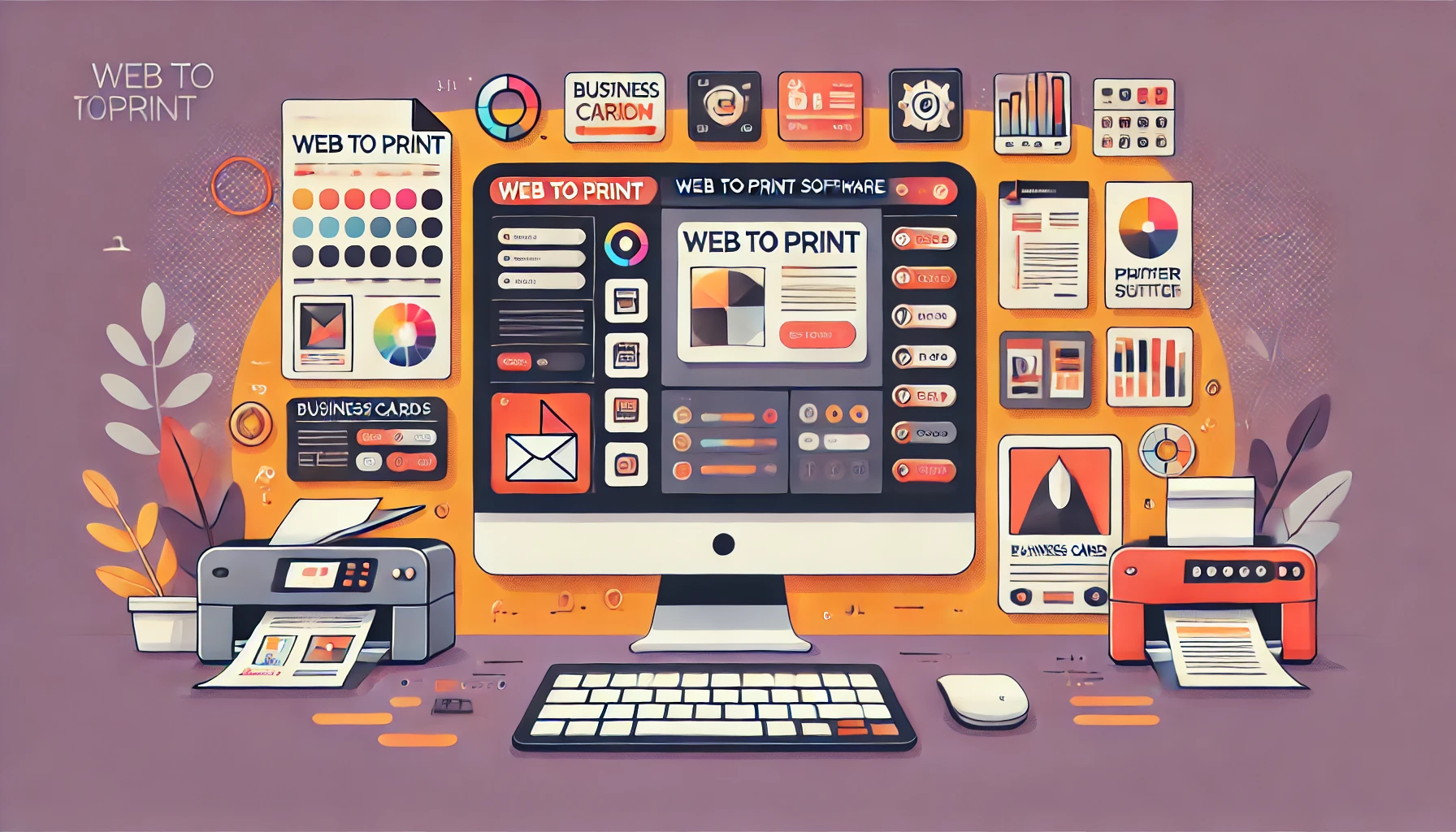
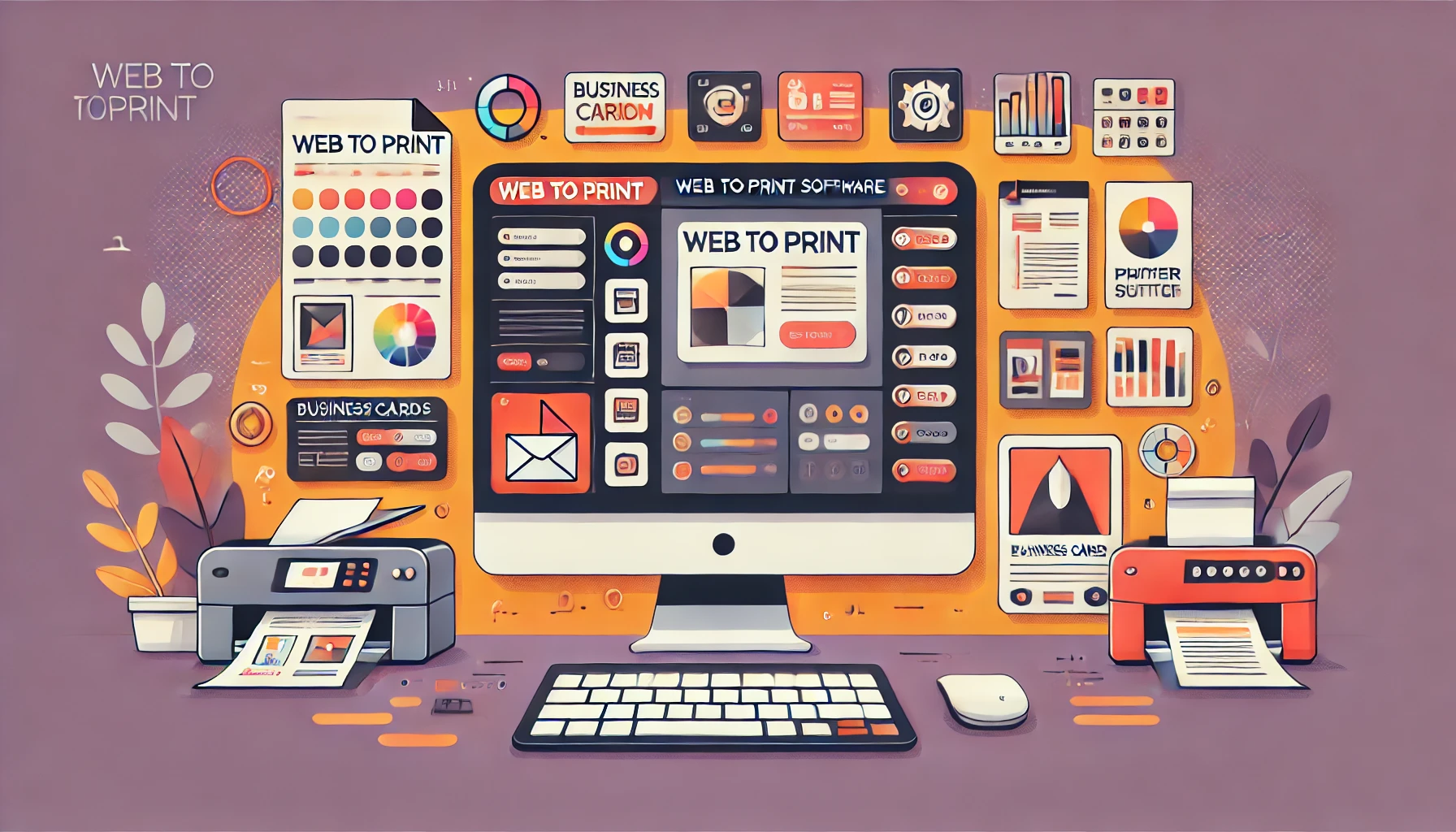
Web-to-print, or W2P for short, is a software solution that lets the end-user create, edit, and print any type of document or product (like a book, business card, or catalog) on demand by using an online interface.
It bridges the gap between digital design and physical print, making it a valuable tool for anyone involved in the creation and distribution of printed materials.
The key features often include:
- Design Templates: Pre-designed templates for various print products.
- Customization Tools: Tools for adding and editing text, images, and other elements.
- Online Proofing: Real-time preview of the final product to approve before printing.
- Order Management: System to handle order submissions, tracking, and processing.
- Integration with Printers: Direct connection with printing facilities for streamlined production.
So why am I writing about it? Well, as an SEO consultant I’ve spent 10+ years at marketing agencies and I feel W2P has untapped practical applications for the industry.
Here’s why:
- Enhanced Service Offerings:
- Expanded Portfolio: By offering web-to-print solutions, agencies can broaden their service range, appealing to clients looking for comprehensive marketing solutions.
- Value-Added Services: Combining digital marketing with print solutions can enhance overall client satisfaction and retention.
- Improved Client Engagement:
- User-Friendly Interface: Clients can easily customize and order print materials, which improves their engagement and satisfaction.
- Personalization: Agencies can offer personalized marketing collateral, which can improve the effectiveness of campaigns.
- Brand Consistency:
- Standardized Templates: Ensure brand consistency across all printed materials for multi-location businesses or franchises.
- Controlled Customization: Clients can customize within predefined brand guidelines, maintaining uniformity.
- Streamlined Workflow:
- Automation: Automate the print ordering process, reducing manual work and the potential for errors.
- Order Management: Efficiently manage multiple client orders through a centralized system.
- Cost and Time Efficiency:
- Reduced Overhead: Minimize the need for in-house design and printing resources.
- Faster Turnaround: Clients can design, approve, and order print materials quickly, speeding up campaign execution.
- Data Integration and Insights:
- Analytics: Track usage, orders, and client preferences to gather insights for future marketing strategies.
- Integration: Seamlessly integrate with existing CRM and marketing tools to provide a holistic view of client activities.
- Customization and Flexibility:
- Template Libraries: Provide clients with a variety of customizable templates for different marketing needs.
- On-Demand Printing: Offer clients the flexibility to order prints as needed, reducing waste and storage costs.
- Client Empowerment:
- Self-Service: Empower clients to take control of their print marketing needs through an intuitive online platform.
- Real-Time Proofing: Allow clients to preview and approve designs instantly, improving satisfaction and reducing revisions.
- Scalability:
- Growing Client Base: Attract a diverse range of clients, from small businesses to large enterprises, by offering scalable print solutions.
- Multiple Projects: Handle multiple client projects simultaneously with ease.
Practical Applications
- Campaign Support: When launching a new campaign, agencies can quickly produce and distribute print materials such as flyers, posters, and brochures.
- Event Marketing: Easily create and manage print materials for client events, including banners, invitations, and programs.
- Promotional Products: Design and order promotional items like business cards, postcards, and branded merchandise.
Example Scenarios
- A retail client needs a seasonal promotion: The agency can quickly provide customized in-store signage and flyers, ensuring a cohesive look with their digital campaign.
- A franchise needs consistent marketing materials: The agency can offer a web-to-print portal where individual franchisees can order branded materials that comply with corporate standards.
- A corporate client is hosting a conference: The agency can manage all print needs, from name badges and programs to banners and promotional giveaways.
To sum it up, web-to-print software can enhance a digital marketing agency’s abilities in a big way. When clients use this software, they get a great experience. It allows them to merge digital and print marketing seamlessly.
For the agency, I think it leads to better efficiencies. When you’re running a digital marketing agency, you have a lot of moving parts. So software like this really helps those parts come together much more effectively.
When it matters most, it means that the digital marketing agency can do a better job of satisfying its clients—ultimately resulting in more business.